Founded in the UK in late 2020, "Freedom to Connect," emphasizing experimentation and promoting amateur radio.
The FreeSTAR Network is a multi-platform amateur radio network that bridges different digital and analog communication modes like DMR, Allstar, YSF, and D-STAR. It allows amateur radio operators to connect with each other globally by linking gateways and repeaters via the internet, providing a way to communicate even with limited radio or antenna setups. It is important to note that a valid ham radio license is required to use the network.
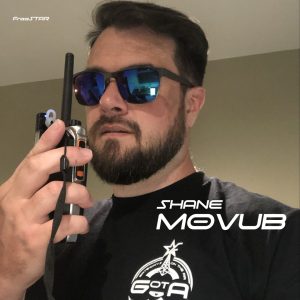
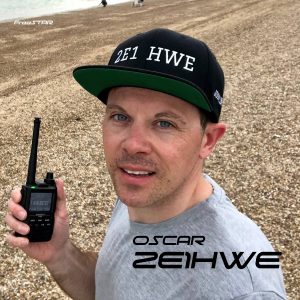
In the beginning the founders Shane Daley (M0VUB) & Oscar Wood (2E1HWE) decided to collaborate and experiment with digital & analogue connections for the GB0NYE Multi-Mode Net hosted on New Years Eve 2020. The net was a success and tested our skills with over 100 consecutive connections Worldwide.
Key features
Multi-mode connectivity: FreeSTAR supports a variety of communication technologies, including DMR, Allstar, YSF, D-STAR, and others.
Internet-based: The network connects repeaters and gateways over the internet, making it possible to talk to people around the world from a single point of access.
Global infrastructure: The network includes servers and hubs hosted in multiple countries, making it one of the largest multi-mode franchises in the world.
Accessibility: FreeSTAR can be accessed through connected repeaters, gateways, digital hotspots, or even some apps like Echolink or Peanut, as long as the user has a ham radio license.
Focus on community: The network is built to facilitate communication and friendship among ham radio operators and organizes events like GOTA (Gateways on the Air) to promote activity.
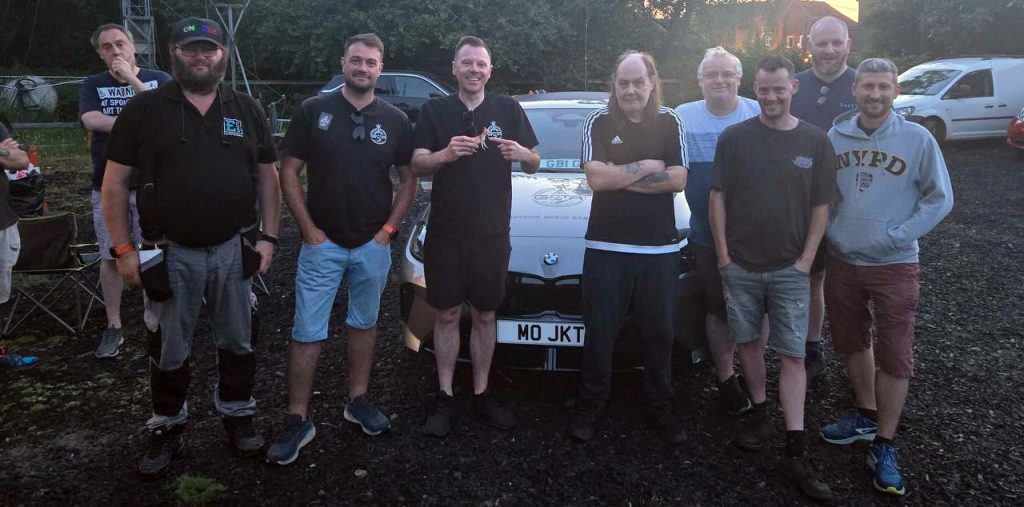
Meet the team.
Shane Daley M0VUB
Founder. FreeSTAR Network
Oscar Wood 2E1HWE
Founder. FreeSTAR Network
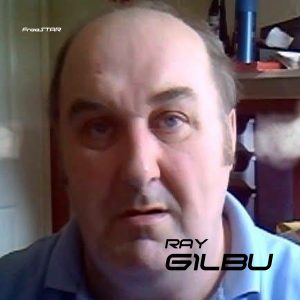
Ray Parry G1LBU
Admin. Digital Systems & Infrastructure.
Matt Melling G4IYT
Admin. Head of Develpment & Sysop.
Matthew Wood G7HMV
Admin. Head of RF Infrastructure.
Dodge Loxton G7LMY
Admin. Sysop.
James Mould 2E0JML
Admin. Sysop
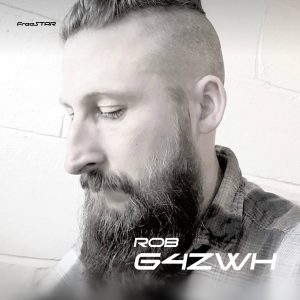
Robert Stephen G4ZWH
Admin. Zello Co-ordinator.
Adam Goodenough M7SMI
Admin. Herts RG & Hosting.
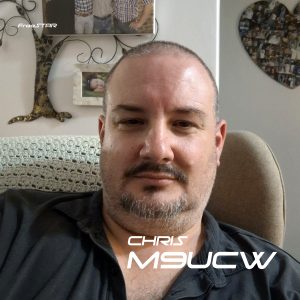
Chris Waters M9UCW
Admin. Sysop.
Jon Shamash G7RUP
Admin. FreeSTAR Everywhere & Hosting.
Mark Sayers 2E1CEQ
Admin. FreeSTAR Everywhere. Operations.
Dave Lee M7TLB
Admin. FreeSTAR Everywhere. OST & Wiki.
Ralph Streb K8TCP
Admin. USA Hosting & Teleport.
Liam Baker M9LCB
Admin. Facebook.
In dedication to
Mick Goodhand M6CMG / 2E0JSV (SK)
Admin. Sysop & Friend.
Some Cool Facts
Numbers Speak For Themselves
Servers
0
Modes
0
Users
0
FreeSTAR UK & International Network. Various technologies used to create a multi-mode platform using various techniques, software packages.
Bridging Techniques.
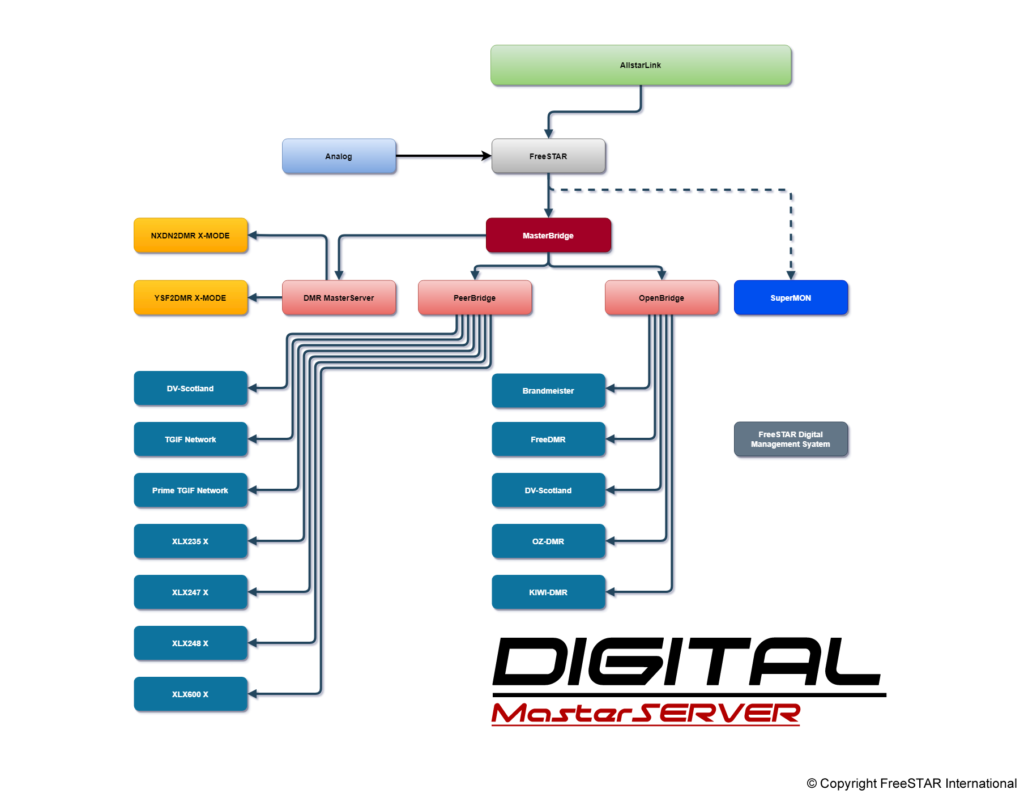
FreeSTAR has one of the most advanced bridging techniques in the World with over 15 consecutive digital bridges using 1 direct pipe into ASL.
The techniques used to bridge lots of technologies, modes & networks into one instance which in turn feeds to the rest of the FreeSTAR network. The network is split into 2 main segments. Allstar & OBP. The core OBP bridge used is a collection of HBLink, MMDVM & the emulation of the MD380 software with a single feed from the core into ASL.
This single feed is piped full-duplex into the Xpeer Server which is powered by SystemX, it then feeds out to several digital bridges and cross links using multi-platform software packages.
Core Network infrastructure.
The core network is powered by AllstarLink (ASL3) software hosted on several VPS servers in the UK. Each server or hub extends many connections including; repeaters, gateways, nodes & single users on various hubs. The core system which is hosted in 2 major Cities in the UK consists of low latency connections in data-centres to deliver and connect nodes reliably in the UK & around the World.
FreeSTAR is slowly migrating over to ASL3 to help test the new software. Rob Vella is lead developer in the project and we give AllstarLink our full support. Without the work of Jim Dixon’s app_rpt WB6NIL (SK) & the AllstarLink team/contributors this whole project would not be possible. We thank all involved and the OpenSource project.
Xpeer™ Main Bridge Server.
An illustration of the Digital Bridge Server (Xpeer) which runs the core digital connections from FreeSTAR ASL to all the digital bridges network wide. This is spread across our SystemX Network and then piped into various modes.
The Xpeer server & Master Bridge ASL3 DV Switch tools combined, links all the FreeSTAR Allstar servers to the rest of the digitl network.
AllstarLink Inc.
AllStarLink is a network of Amateur Radio repeaters, remote base stations and hot spots accessible to each other via Voice over Internet Protocol. AllStarLink version 3 runs on a dedicated computer (including the Rasperry Pi) that you host at your home, radio site or computer center. It is based on the open source Asterisk 20 PBX running our app_rpt application. App_rpt makes Asterisk a powerful system capable of controlling one or more radios. It provides linking of these radio “nodes” to other systems of similar construction anywhere in the world via VoIP.